Digital karigars fitted into your workflow.
A digital karigar is an assigned, task-specific worker fitted into your workflow — it completes defined work end to end, and shows its work.
A karigar is not AI theatre. It does not replace your team, run your business, or promise magic. It takes one repetitive job that today depends on one person’s memory — and does that job every time, the same way, with proof. You stay in command; the karigar carries the load.
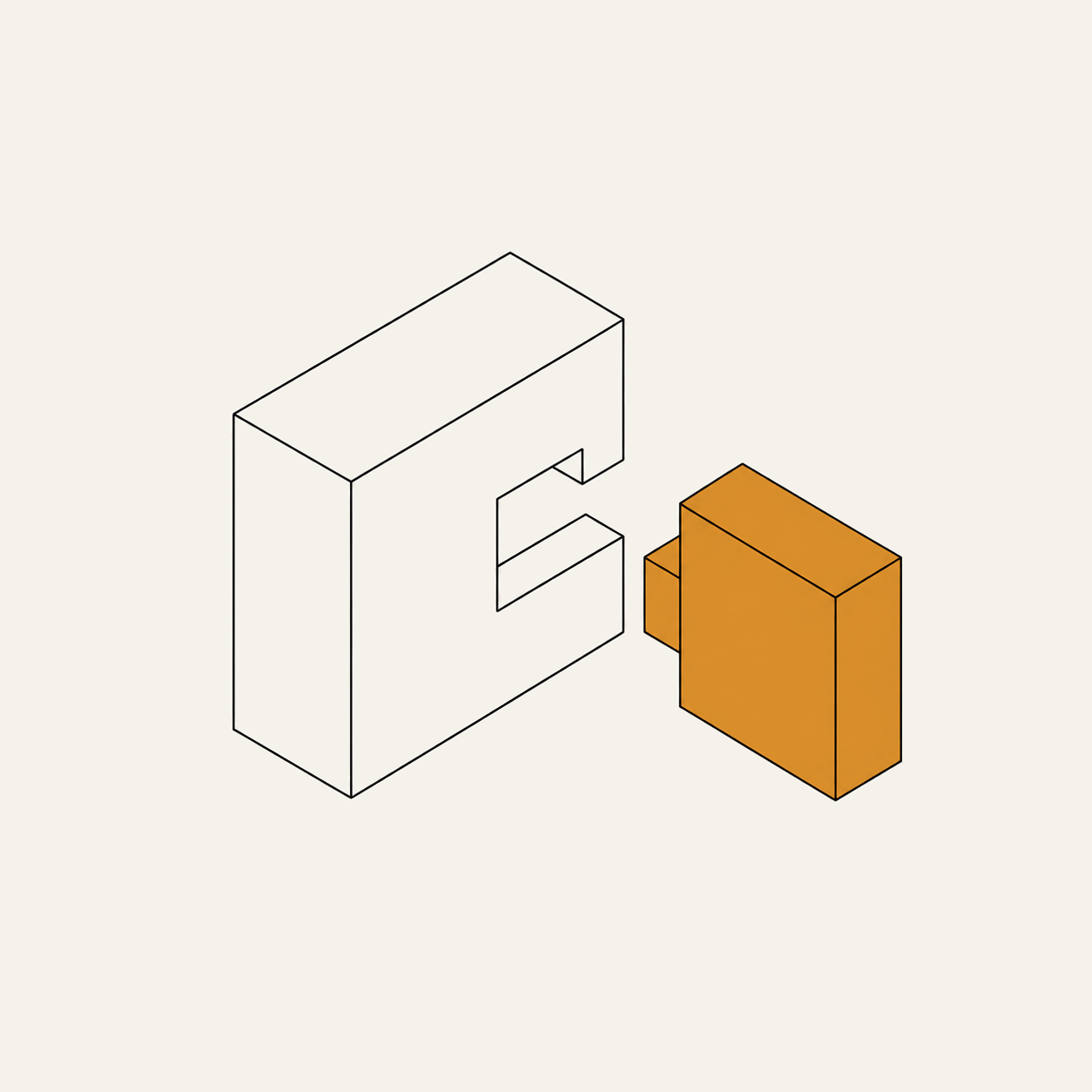
Your business is the solid block.
We cut the notch.
In the workshop tradition, a karigar is a craftsman — trained in one trade, given a job, accountable for the finish. Our mark is a block with one precise cut: the block is your business; the notch is where the karigar is fitted in to carry load. We are not software sitting on top of your business. We are a working part joined into it. Checked. Built. Accountable.
How a karigar is fitted.
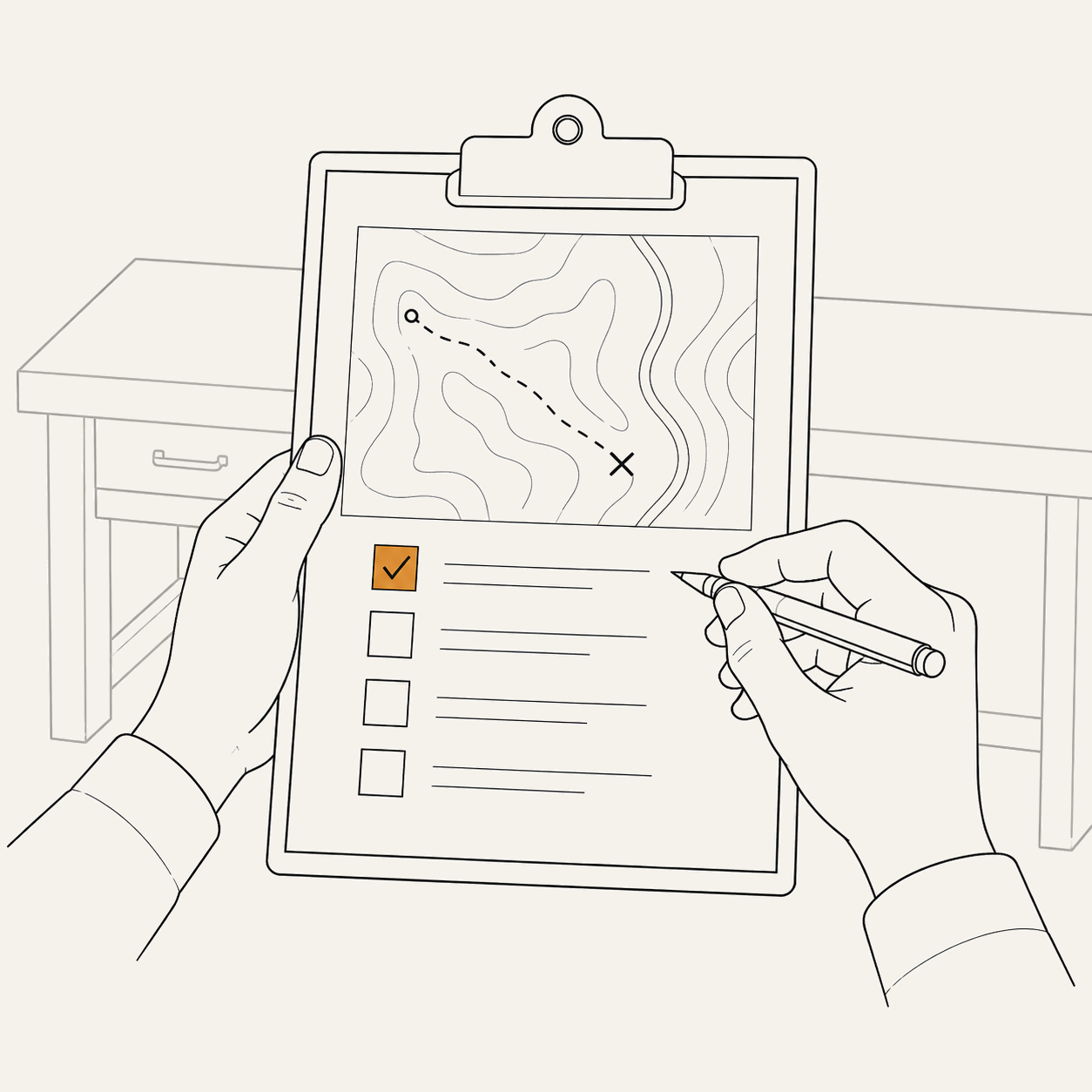
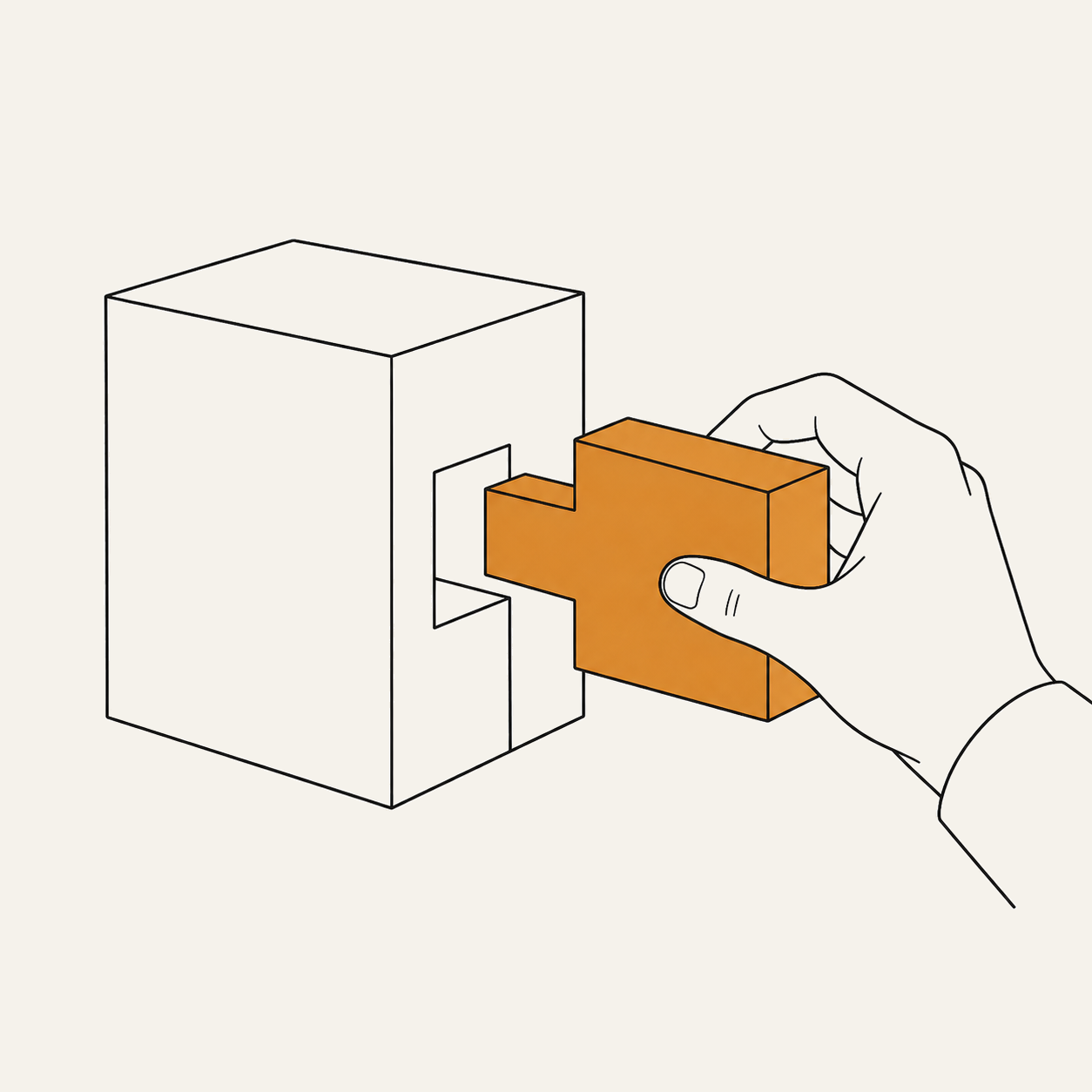
Work that eats your best people’s time.
Every business has jobs that are repetitive, rule-bound, and time-hungry — done today by people who could be doing better work. That is where a karigar is fitted.
Documentation & records
Item masters, registers and catalogs kept accurate and current — without a person maintaining them by hand.
Document checking
Invoices against POs, drawings against specs, GRNs against orders — verified line by line, every time.
Data extraction
Details pulled out of PDFs, drawings and invoices into clean sheets or your ERP — no retyping.
Follow-up & task routing
Every job reaches the right person, every pending item gets chased — without WhatsApp reminders.
Customer updates
Order status and dispatch updates go out on their own — before the client calls to ask.
Payment reminders
Receivables followed up politely, on schedule, until collected — without your accountant chasing.
Report compilation
Daily production, sales and MIS reports assembled from scattered sources — ready before you ask for them.
Quality & compliance records
Inspection logs and audit trails kept the way an auditor wants them — always ready.
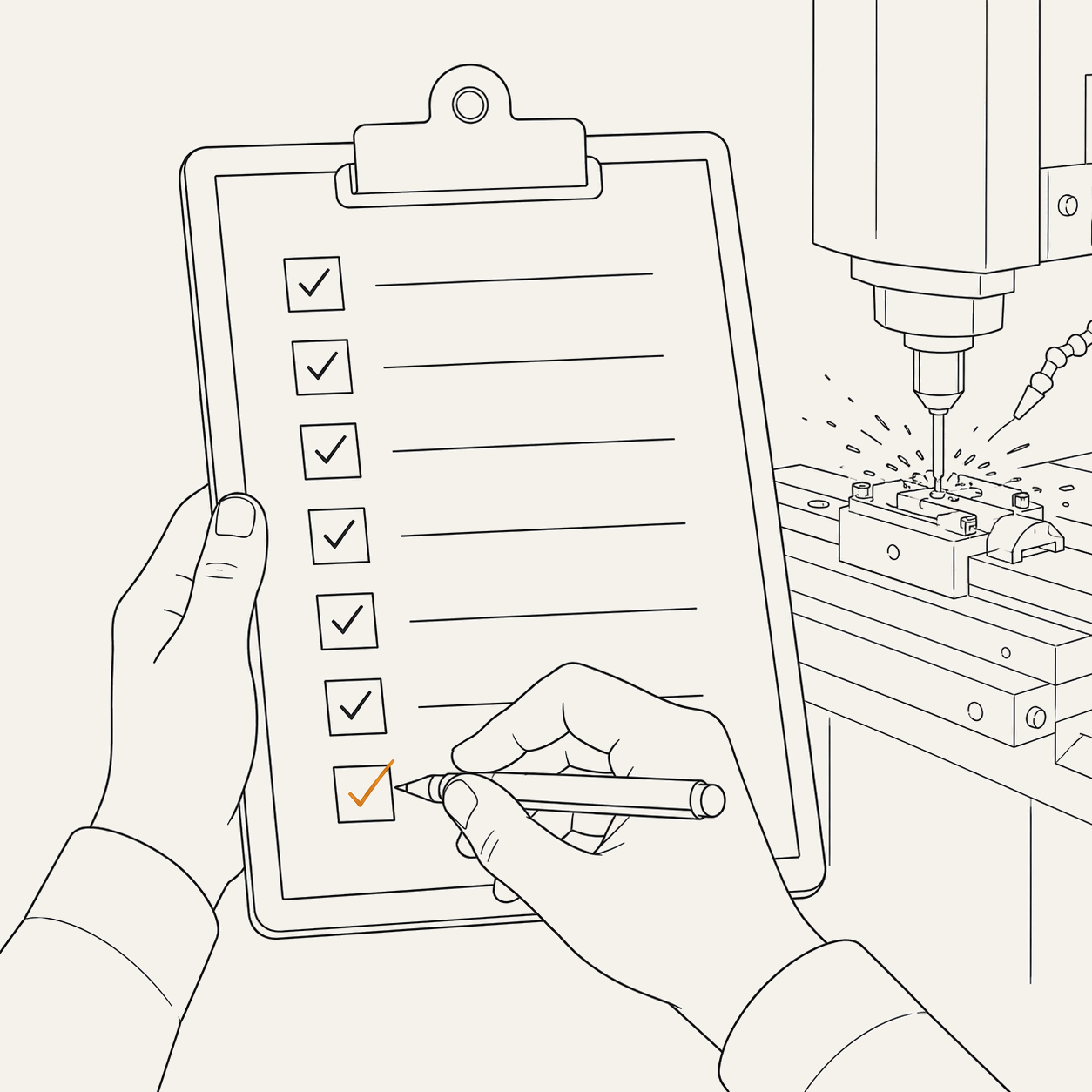
Every karigar shows its work.
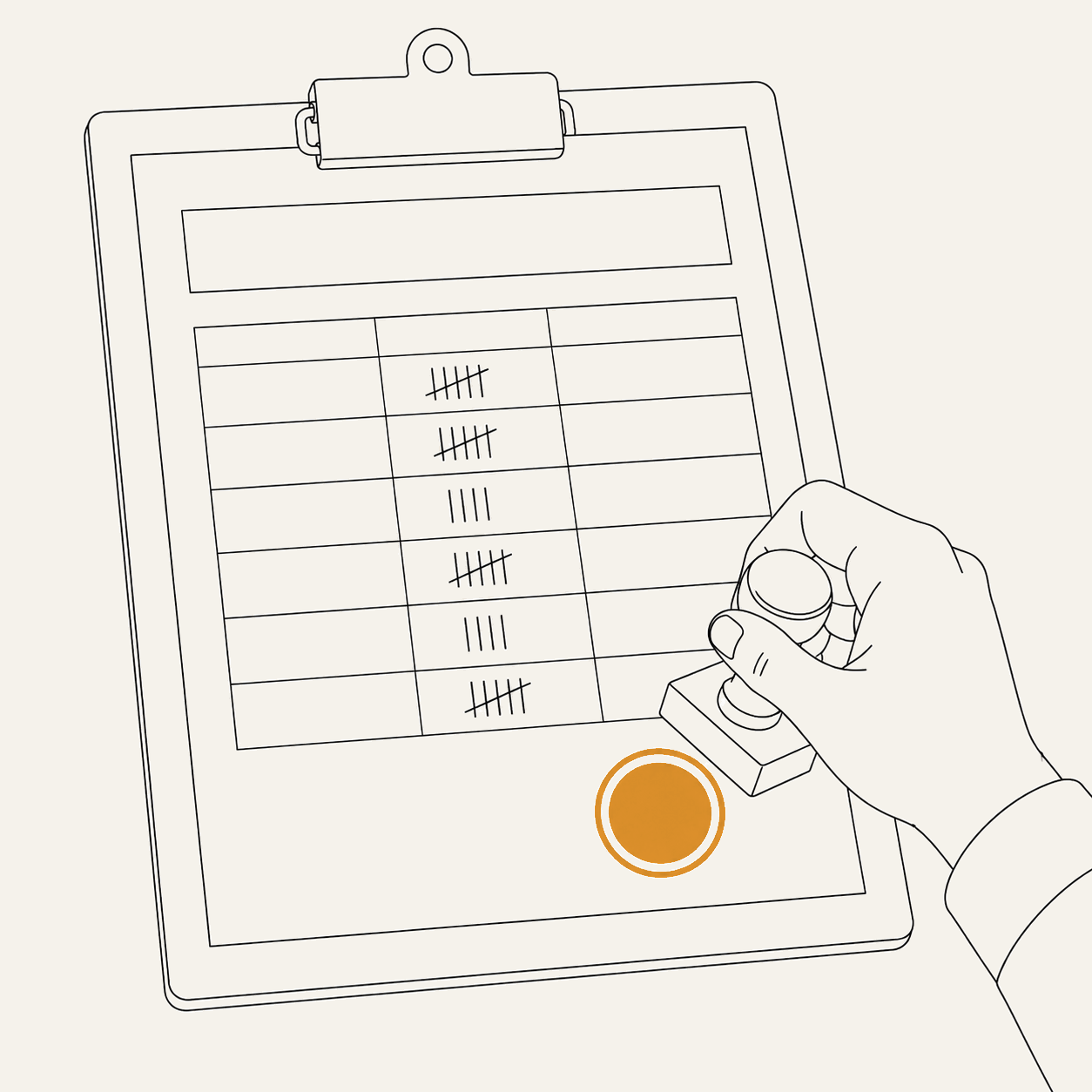
Once a month, every karigar reports like any good worker: what it completed, what it flagged, what you approved, and the hours it carried. No black boxes. If it isn’t earning its keep, the report will say so — and so will we.
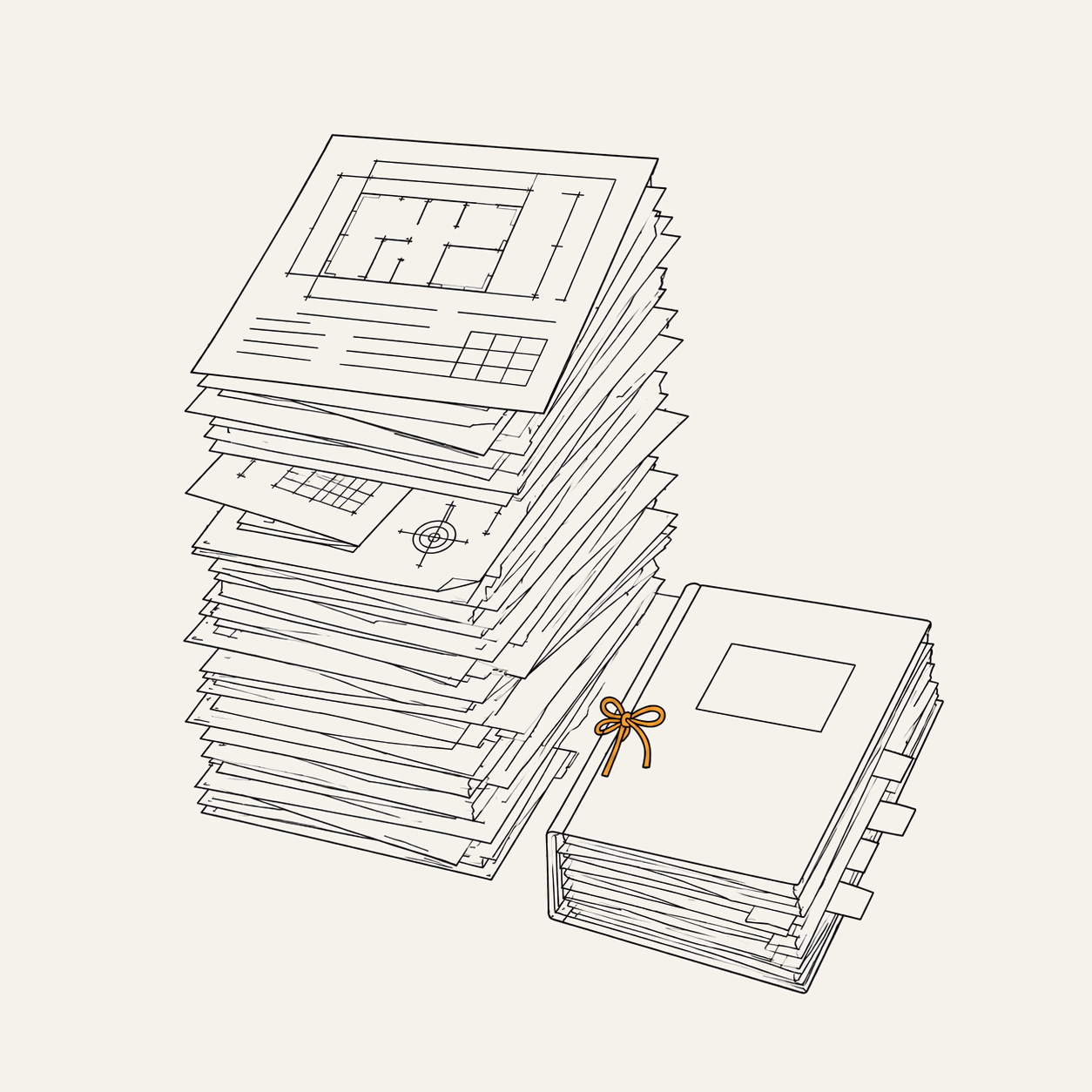
In the retail fixture trade — the trade we come from — drawings, BOQs and fixture schedules consumed a documentation clerk’s entire week. Every project docket meant days of reading drawings, retyping details, and chasing what was missing. Good people, buried in paperwork.
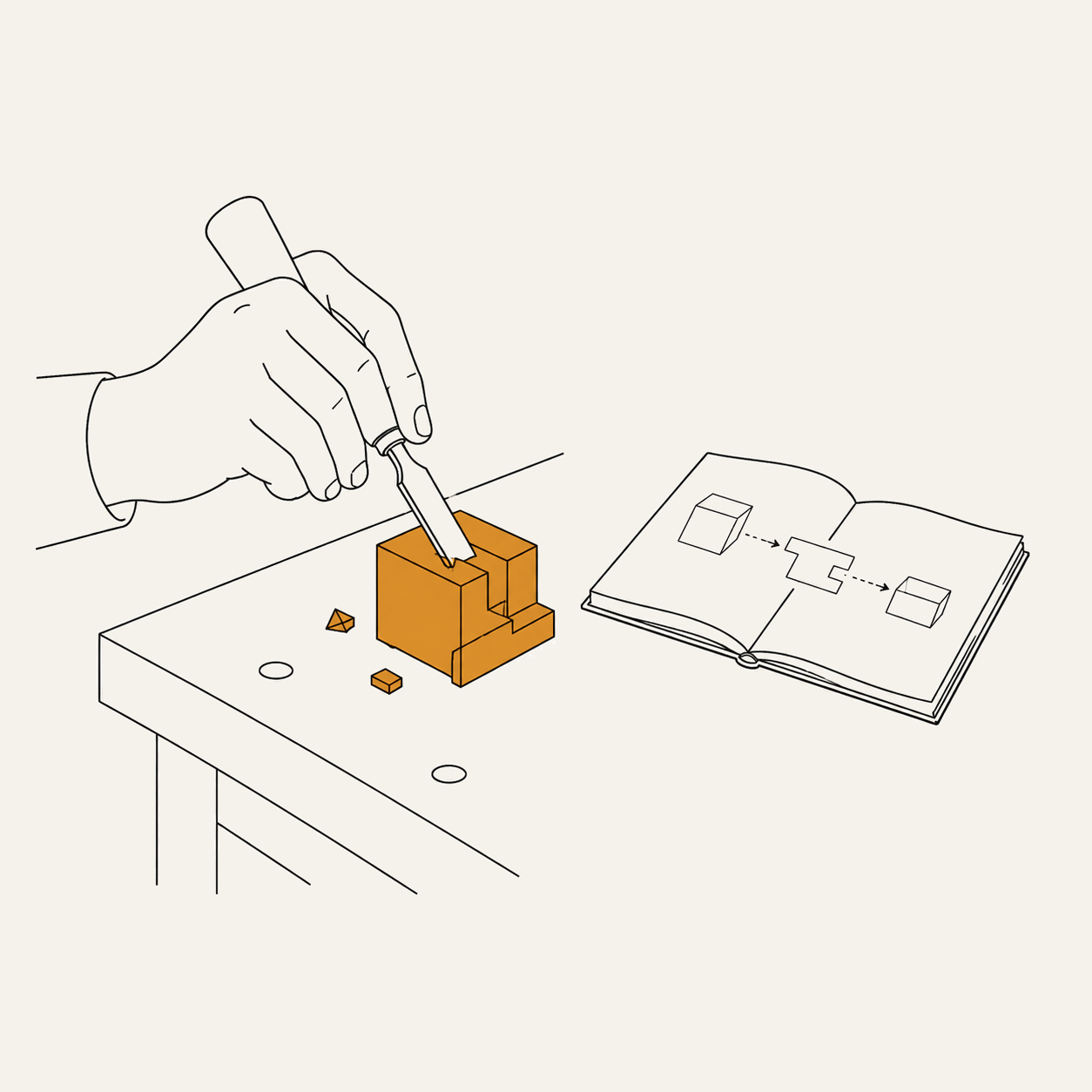
So we did what we now do for every client: we mapped that week — every drawing read, every register kept, every judgment call — and built a karigar to carry it, meticulously, to the trade’s own standards.
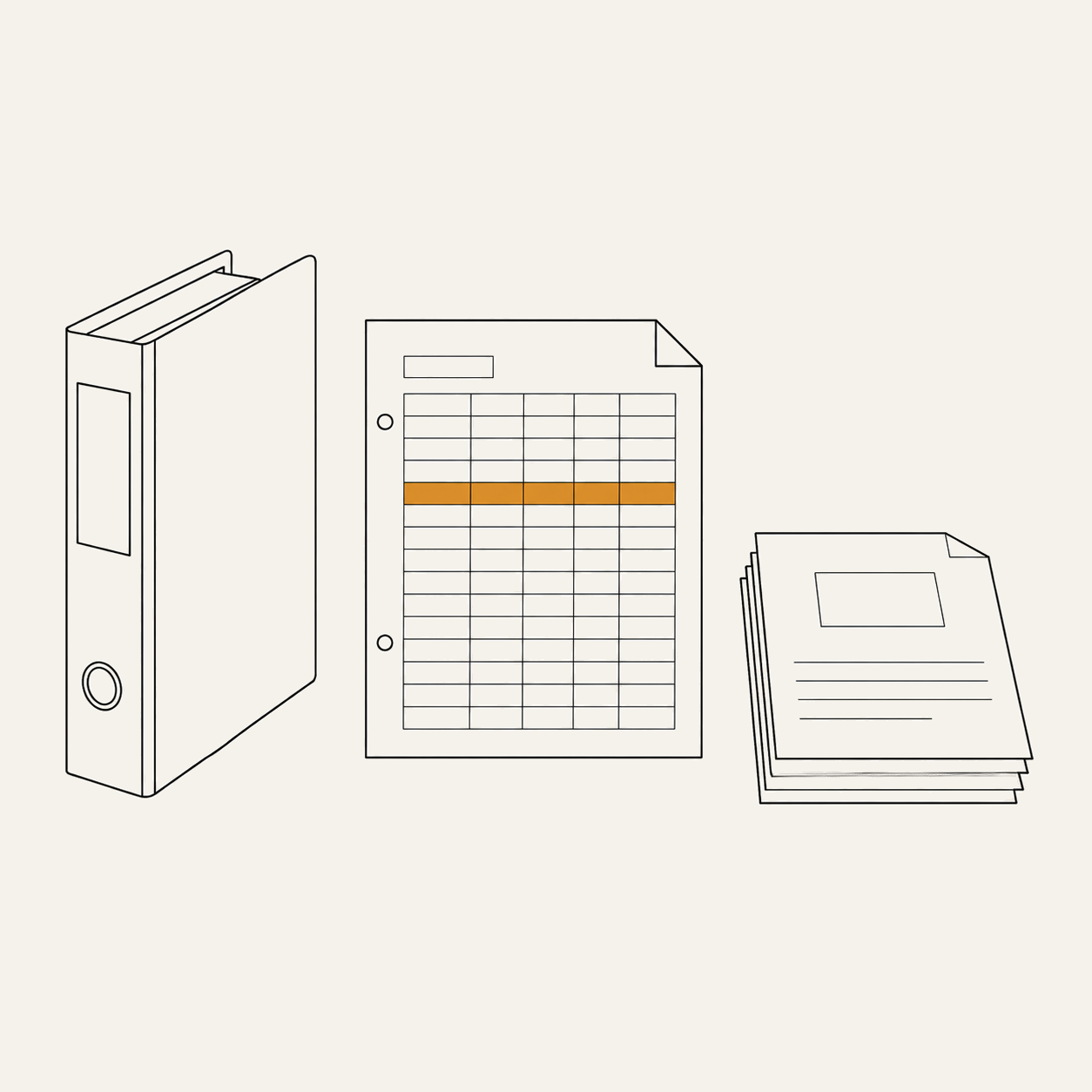
Munshi reads the drawings and dockets, and returns the records: fixture catalogs, glossaries, BOQs, and missing-details reports.
Nothing leaves without you. Every output lands in a confirmation cart for the owner’s sign-off before it is sent — the karigar does the work; you keep the command.
34 pages, read end to end — catalog, BOQ and missing-details report returned.
What should stop depending on one person?
Tell us the job. If a karigar fits, we’ll show you exactly how — and if it doesn’t, we’ll say that too.
Start a founder conversation